

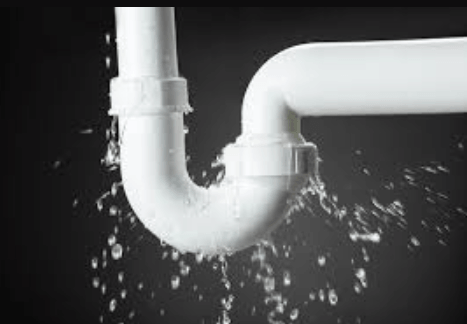
Identifying a leaky pipe joint requires noting moisture, stains, corrosion, and shifting components. Common culprits include loose fittings, degraded gaskets, or damaged seals. Gather tools such as an adjustable wrench, pliers, a bucket, towels, and sealing materials like pipe joint compound or tape. Quick fixes involve clamps or compression fittings if space allows; longer-term options call for replacing damaged fittings or the joint itself. Accurate measurements matter, and if uncertainty remains, a professional may be needed. The next steps become clearer once the joint type is confirmed.
Identify the Leaky Joint: Common Causes and Where to Look
Identifying the leaky joint requires a careful assessment of common failure points and observable signs. The investigation targets the junction itself, surrounding seals, and pressure indicators. Common causes include loose fittings, degraded gaskets, corrosion, and shifting pipes. Not relevant to other h2s, observations focus on moisture, staining, and dampness patterns to determine responsible components without extraneous details.
Gather Tools and Materials for a Quick Fix
Gathering the appropriate tools and materials is essential for a quick, effective fix. The list remains concise: adjustable wrench, pliers, bucket, towels, pipe joint compound, sealing tape, replacement washer, and towels for cleanup. Consider additional items as ideas, such as rags or clamps. Irrelevant topics should be avoided to maintain focus and efficiency during preparation.
Repair Options: Clamp, Compression, or Replacement
There are several practical repair options to address a leaky pipe joint: clamp, compression, or replacement.
Each method varies by leak timing and reliability.
Clamp repairs are rapid for small, accessible leaks but tolerate pressure changes imperfectly.
Compression fittings suit moderate leaks with correct joint spacing.
Replacement ensures long-term integrity when damage or corrosion exists, though it demands careful measurement and proper fitting.
See also: Top Tech Gadgets 2025
Prevent Future Leaks and When to Call a Pro
Preventing future leaks hinges on proactive maintenance and timely professional input. Regular inspections identify leaks early and verify pipe joint basics are sound. Track moisture, corrosion, and vibration to detect hidden faults. Schedule annual checks, replace aging seals, and use proper fittings. When uncertainty persists or hazardous conditions arise, a licensed pro should assess and seal, realign, or replace compromised joints.
Conclusion
A leaky pipe joint yields to patient scrutiny and steady hands. When the culprit shows—loose fittings, worn gaskets, or cracked seals—the fix must fit the fault: tighten, reseal, or replace with precise measurements. A clamp or compression patch buys time; a full joint swap restores integrity. Gather tools, dry the area, and test after each step. If uncertainty lingers, call a pro before water marks mount into costly damage. Respect the flow, respect the fix.



 The 10 best image to video AI tools of 2026