

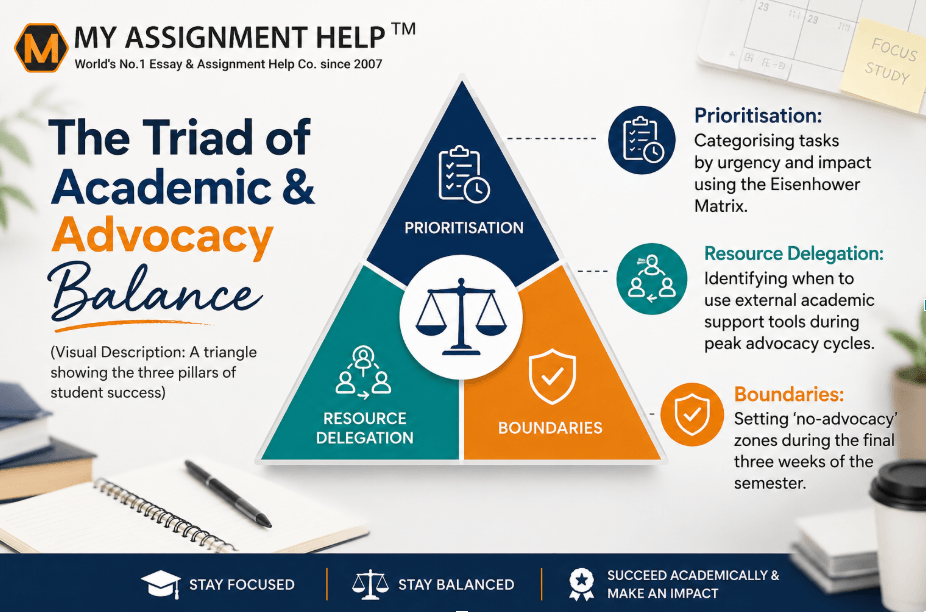
In the contemporary British higher education landscape, the role of a student has evolved far beyond the lecture theatre. Today’s scholars are often the vanguard of social change, driving discourse on climate action, mental health awareness, and inclusive representation. However, this commitment to a ‘voice’ often creates a structural tension with the rigid deadlines and rigorous marking criteria of UK universities. Achieving a first-class degree while remaining a dedicated advocate requires more than just passion; it demands a strategic approach to time and resource management.
For many students across the UK, the pressure peaks during the assessment season. Whether you are leading a campus campaign or volunteering for a national charity, the reality of the 2,500-word essay does not vanish. When the academic burden becomes disproportionate to the hours available, seeking urgent assignment help UK can provide the necessary breathing room to ensure that your social contributions do not result in academic penalties. This support acts as a safety net, allowing your advocacy to remain loud while your transcript remains competitive.
The challenge lies in the fact that UK universities operate on strict quality assurance frameworks. Without the oversight of specific regional bodies that might restrict student choice, scholars must navigate these standards independently. To maintain high grades, one must master the art of assessment help, which involves understanding grading rubrics, peer-reviewed sourcing, and critical analysis. Balancing these two worlds—the idealistic and the academic—is the hallmark of the modern graduate.
The Structural Tension: Why UK Students Struggle
Research indicates that students involved in high-level extracurricular activities often develop superior “soft skills”—leadership, empathy, and communication. However, the UK’s National Student Survey (NSS) data suggests that “assessment and feedback” remain the most significant stressors for the student body. When a student is deeply involved in advocacy, the cognitive load is doubled. They are not just learning history; they are trying to change its future trajectory.
The ‘Voice’ vs. The ‘Grade’
In the UK, academic writing often demands a level of detachment and objective scrutiny. Advocacy, by contrast, is rooted in conviction and subjective passion. The conflict arises when students attempt to use their academic submissions as a primary vehicle for their voice. While critical thinking is encouraged, failing to adhere to the specific structure of a “UK Level 6 Assessment” can lead to lower marks, regardless of how noble the cause is.
Data-Driven Strategies for Success
According to the Higher Education Policy Institute (HEPI), the average UK student spends approximately 30 hours a week on academic work. When advocacy adds another 10-15 hours, the risk of burnout increases significantly. To mitigate this, consider the following:
1. The 80/20 Rule in Advocacy
Focus on the 20% of advocacy tasks that yield 80% of the impact during deadline months. If you are organising a protest, delegate the administrative tasks so you can focus on your dissertation.
2. Tactical Assessment Mapping
Review your module handbook early. UK universities provide these months in advance. Map out every “assessment help” resource available to you—from the university library to professional academic consultants—long before the deadline looms.
3. The “Voice” Buffer
Never schedule a major advocacy event within 48 hours of a major deadline. This “buffer zone” is essential for the final proofreading and referencing stage, which is where many UK students lose easy marks.
Key Takeaways for UK Students
- Advocacy is a marathon, not a sprint: It is okay to scale back during finals.
- Academic Integrity: Always ensure external support is used to enhance your understanding, not replace your learning.
- Voice matters: Use your summer breaks for deep advocacy and your term time for tactical academic progress.
The Psychological Impact of the “Double Life”
Living as an advocate and a student simultaneously is mentally taxing. In the UK, the “Cost of Living” crisis has added another layer of pressure, with many students working part-time jobs alongside their studies and activism. This “Triple Burden” makes the role of professional academic support even more vital.
When you use an assessment help service, you aren’t just getting an essay; you are reclaiming time. Time that can be spent on community wellbeing, mental health recovery, or high-impact social work. The ethical student understands that asking for help is a sign of maturity, not a sign of failure.
Conclusion
Managing the dual identity of a student-advocate is one of the most rewarding challenges a young person can undertake in the UK today. By utilising structured support and professional guidance, you ensure that your voice is never silenced by the weight of a looming deadline. Your degree is the platform from which your future advocacy will launch; protect it with the same passion you use to protect your causes.
See also: AI-Powered InVideo Alternatives for Marketers
Frequently Asked Questions (FAQ)
1. Is it common to seek urgent assignment help in the UK?
Yes. Due to the high-pressure nature of the UK semester system (especially during the January and May “deadline weeks”), thousands of students use professional services to manage their workload.
2. How do I balance my “voice” with the need for academic objectivity?
The best approach is to use the “Introduction” and “Conclusion” of your papers to frame your perspective, while using the “Body Paragraphs” to demonstrate rigorous, evidence-based academic analysis.
3. Will using assessment help affect my academic reputation?
Not if used correctly. Professional help should be used as a model or a research guide to help you understand how to meet complex marking criteria.
Author Bio
James Sterling is a Senior Content Specialist and Academic Consultant at MyAssignmentHelp. With over a decade of experience in the UK higher education sector, James focuses on developing SEO-driven educational resources that help students navigate the complexities of modern university life. He is a strong proponent of student advocacy and works to ensure that academic success is accessible to everyone, regardless of their extracurricular commitments.
References:
- Higher Education Policy Institute (HEPI) – Student Academic Experience Survey 2024.
- National Student Survey (NSS) – Trends in Student Wellbeing and Assessment Stress (UK Region).
- UK Quality Code for Higher Education – Standards for Assessment and Feedback.




 The Real Cost and Access Tradeoffs Behind glp-1 side effects cancer