

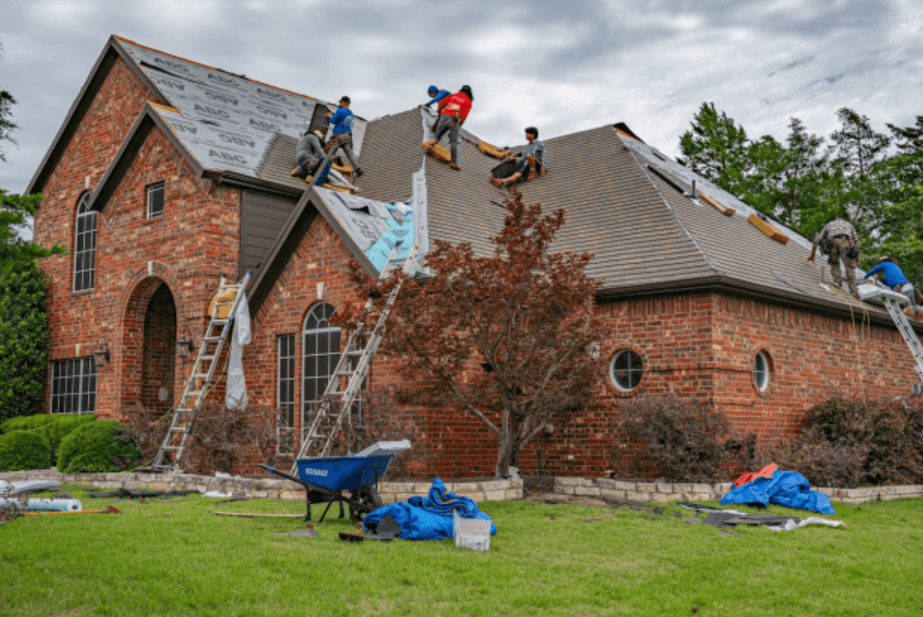
Commercial roofing is one of those things that sounds simple until a building actually starts needing repairs or replacement work. Then suddenly there are all these terms getting thrown around — TPO, EPDM, metal roofing, modified bitumen — and most property owners are left wondering what any of it actually means.
Truth is, commercial roofs are built very differently from residential roofs. And honestly, they have to be. Commercial buildings deal with different weight loads, drainage issues, rooftop equipment, and weather exposure compared to houses.
A roof on a warehouse has completely different demands than a small office building or shopping center. That is why there are several commercial roofing systems instead of just one standard option.
Experienced Roofers Tupelo MS contractors usually explain that the “best” roofing system depends heavily on the building itself and how it is used over time.
Commercial Roofs Are Designed for Function First
Most residential roofs are built with steep slopes so rainwater slides off quickly. Commercial roofs usually look flatter. Sometimes almost completely flat from ground level.
That changes everything.
Flat and low-slope roofs need materials designed to handle standing water, rooftop equipment, and constant weather exposure for long periods.
Commercial roofs also carry things like:
· HVAC systems
· Ventilation equipment
· Electrical systems
· Skylights
· Maintenance walkways
Trusted Roofing companies Tupelo MS often help property owners choose roofing systems based on long-term performance instead of appearance.
And honestly, appearance usually matters a lot less on commercial buildings anyway.
TPO Roofing Has Become Extremely Popular
TPO roofing shows up on a huge number of commercial buildings now.
Part of the reason is energy efficiency. TPO roofing reflects sunlight fairly well, which helps reduce heat absorption during warmer months. On large buildings, that can actually make a noticeable difference in cooling costs.
TPO is also lightweight compared to some older roofing systems.
TPO roofing is commonly used on:
Retail centers
Large flat roofs benefit from reflective materials.
Warehouses
The lightweight system works well across wide surfaces.
Office buildings
Energy savings become important over time.
Commercial properties needing flexible materials
TPO handles temperature shifts reasonably well.
Reliable Commercial roofing near me contractors often recommend TPO because it balances durability, cost, and energy performance without becoming overly complicated.
EPDM Roofing Still Holds Up Well
EPDM roofing has been around for decades and still gets used constantly.
A lot of people recognize EPDM roofs because of the darker black rubber surface. It may not look fancy, but it performs well under changing weather conditions.
And honestly, durability is one of the main reasons commercial property owners continue choosing it.
EPDM roofing is known for:
· Long lifespan
· Strong flexibility
· Weather resistance
· Lower maintenance needs
Experienced Roofers near me often install EPDM systems on larger buildings because the material holds up surprisingly well over long periods when maintenance stays consistent.
Metal Roofing Is More Common Than People Think
Commercial metal roofing is everywhere once attention starts shifting toward it.
Warehouses, industrial buildings, storage facilities, agricultural buildings — metal roofing works well in a lot of commercial situations because it lasts a long time and handles rough weather conditions effectively.
Some metal roofs stay in place for decades with proper care.
Metal roofing is popular for:
Industrial facilities
The material handles tough conditions well.
Large commercial buildings
Wide structures benefit from durable roofing.
Agricultural properties
Metal performs well through changing seasons.
Long-term investments
Many owners prefer the lifespan advantage.
Trusted Commercial roofing companies near me often install coated metal systems now, which help reduce heat absorption and improve corrosion resistance.
Modified Bitumen Roofing Is Still Widely Used
Modified bitumen roofing may not get talked about as much as newer roofing systems, but it still remains common on commercial properties.
It is basically an asphalt-based roofing system designed with added materials that improve strength and flexibility. Usually, it gets installed in layers for extra protection.
That layered setup helps the roof resist moisture more effectively.
Modified bitumen roofing often works well for:
· Flat commercial roofs
· Buildings needing extra waterproofing
· Areas with changing temperatures
· Properties needing durable layered protection
Experienced Roofing companies Tupelo MS sometimes recommend modified bitumen systems because they perform reliably without requiring overly complicated maintenance.
Built-Up Roofing Systems Have Been Around for Years
Built-up roofing systems — usually called BUR systems — are one of the older commercial roofing styles still found on many buildings.
BUR roofing uses multiple layers of asphalt and roofing materials stacked together. Those layers help create strong waterproof protection.
Some older commercial buildings still have BUR roofs performing surprisingly well today.
BUR roofing is often appreciated for:
Strong moisture protection
The layered design blocks water effectively.
Durability
The roof handles long-term exposure fairly well.
Surface strength
Multiple layers create thicker protection.
Reliable Commercial roofing near me professionals still repair and maintain BUR systems regularly, especially on older commercial structures.
Roof Coatings Are Becoming More Popular
A lot of commercial property owners are now choosing roof coatings instead of full roof replacements right away.
Roof coatings add a protective layer over the existing roof surface, helping improve waterproofing and reflect heat.
That can help extend the life of the current roofing system if the underlying structure still remains in decent condition.
Roof coatings may help with:
· Reducing heat buildup
· Extending roof lifespan
· Slowing surface deterioration
· Improving waterproof protection
Experienced Roofers Tupelo MS often suggest roof coatings when the roof is aging but not completely worn out yet.
See also: Building a Long-Term Homeschooling Routine That Works for Florida Families
No Roofing System Works Without Maintenance
This is the part many building owners underestimate.
Even the strongest commercial roofing system still needs inspections and maintenance. Heat, storms, moisture, rooftop traffic, and standing water slowly wear materials down over time.
Small problems usually become expensive ones when ignored too long.
Commercial roof maintenance often includes:
Drain inspections
Making sure water flows properly.
Flashing checks
Inspecting weak areas around edges and equipment.
Debris removal
Preventing trapped moisture problems.
Surface inspections
Finding damage before leaks spread.
Trusted Roofers near me often say maintenance matters just as much as the roofing material itself.
And honestly, that is probably true.
Final Thoughts
Commercial roofing systems are not one-size-fits-all. TPO, EPDM, metal roofing, modified bitumen, BUR systems, and roof coatings all serve different purposes depending on the building and the conditions surrounding it.
Experienced Roofing companies Tupelo MS understand that choosing the right roof involves more than just price. Durability, maintenance, weather performance, and long-term value all matter too.
For commercial property owners, understanding the basics of different roofing systems makes future roofing decisions much easier and far less stressful later on.


 10 Questions to Ask Any Business Setup Consultant in Dubai Before Signing a Contract