

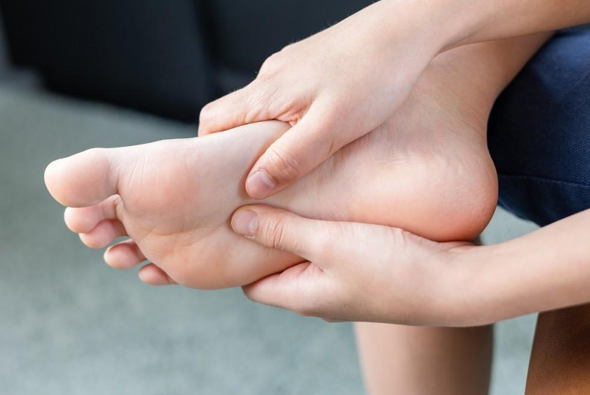
There is a significant overlap between the population that deals with chronic foot problems and the population that runs magnesium-deficient.
The overlap is not coincidental.
Understanding why it exists and what you can do about it changes how you approach foot care.
The Magnesium Foot Connection
Your foot contains 26 bones, 33 joints, and more than 100 muscles, tendons and ligaments. The intrinsic muscles that support the arch and control toe movement are small, continuously active during standing and walking and disproportionately affected by magnesium shortage.
Magnesium is required for proper calcium regulation in muscle cells. Without adequate magnesium, calcium can accumulate in muscle tissue and prevent complete relaxation between contractions. The result is the sustained tension, twitching and cramping that foot sufferers know well.
See alos: Top Tech Gadgets 2025
Who Is Most at Risk
People who stand or walk professionally, healthcare workers, teachers, retail workers, hospitality staff are at elevated risk for both chronic foot complaints and magnesium depletion through sweat.
Older adults, who absorb magnesium less efficiently from diet, are another high-risk group. Diabetics, whose peripheral circulation and nerve health affect foot tissue quality, and athletes who deplete magnesium through intense training round out the most affected populations.
Why Oral Magnesium Does Not Always Reach the Feet
Even when people take oral magnesium supplements, the mineral distributes systemically based on the body’s prioritization. Cardiac muscle, neurological function and larger skeletal muscle groups tend to draw magnesium first. The small intrinsic muscles of the foot are not high priority in the distribution hierarchy.
This is the argument for using magnesium cream for feet specifically. Topical application directly to the plantar surface and lower foot concentrates the mineral in the tissue that needs it, bypassing the systemic distribution bottleneck.
What Transdermal Delivery Offers
The dense network of sweat glands in the plantar skin provides pathways for transdermal delivery. Applying magnesium cream for feet after washing when the skin is clean and glands are open and allows meaningful absorption into the underlying tissue. The practical advantage is twofold: the cream works where you apply it, and it does not require the gut to absorb it.
What to Expect From Consistent Application
Most people who use magnesium cream for feet consistently once or twice daily, with proper massage technique, report the following within two to four weeks: reduction in overnight foot cramping, decreased arch tension particularly in the second half of the day, some improvement in foot circulation, and improved skin quality as a side effect.
Finding a Quality Product
The quality range in magnesium foot products is wide. Concentration, formulation base, and whether the magnesium chloride is pharmaceutical grade all affect outcomes. Comparison resources like HiRelief help narrow the field by evaluating products on criteria beyond the marketing copy.
Look for a product that discloses magnesium concentration explicitly, uses chloride as the salt form and has a carrier designed for absorption rather than just surface moisturizing.
Final Thoughts
The connection between magnesium deficit and foot problems is underrecognized and underaddressed by standard foot care protocols. If you deal with regular cramping, persistent arch tension or feet that do not seem to recover overnight, addressing the mineral side with a dedicated magnesium cream for feet is a logical step. As a daily maintenance tool, it addresses a real physiological gap that most foot care products completely ignore.




 Your Seller Won’t Declutter Before the Shoot: These Are Your Actual Options