

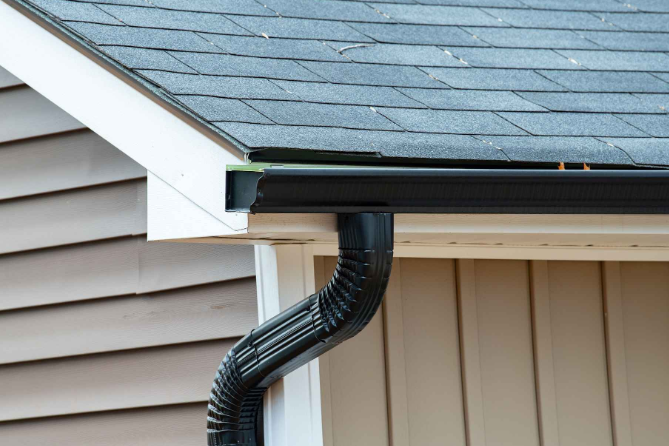
Proper drainage is essential for protecting your home from water damage, and the slope of your gutters plays a crucial role in this process. When gutters are installed with the correct pitch, rainwater flows efficiently toward the downspouts and away from your foundation. However, if the slope is too steep or too flat, water can pool, overflow, or even back up, leading to a host of problems such as basement flooding, soil erosion, and damage to siding or landscaping. Understanding how gutter slope impacts drainage can help homeowners maintain a safe, dry, and structurally sound property.
Why gutter slope matters
The Science Behind Gutter Slope
Gutter slope, also known as pitch, refers to the slight angle at which gutters are installed to encourage water to flow toward the downspouts. This angle is subtle but significant, typically ranging from a quarter inch to a half inch of drop for every ten feet of gutter. The purpose of this slope is to use gravity to move water efficiently, preventing it from stagnating or overflowing. When gutters are installed without the proper slope, water can accumulate in certain sections, leading to increased weight and stress on the gutter system. Over time, this can cause gutters to sag, pull away from the house, or even collapse. Additionally, standing water in gutters creates an ideal environment for mosquitoes and other pests, and can accelerate rust or corrosion in metal gutters. Ensuring the correct slope during installation is a fundamental step in maintaining effective drainage and prolonging the life of your gutter system.
See also: Top Tech Gadgets 2025
Common Problems Caused by Incorrect Slope
When gutters lack the proper slope, a variety of drainage issues can arise that threaten both the exterior and interior of your home. Water that fails to flow toward the downspouts may spill over the sides of the gutters, saturating the soil around your foundation. This excess moisture can seep into basements or crawl spaces, leading to mold growth, structural damage, and costly repairs. On the other hand, gutters with too steep a slope may cause water to rush too quickly, potentially overshooting the downspouts and eroding the ground below. Homeowners seeking a gutter install in upper marlboro should ensure that the installation team pays close attention to the pitch, as even a small miscalculation can have significant consequences. Properly sloped gutters also help prevent ice dams in colder climates, as water is less likely to freeze and block the flow. Addressing slope issues promptly can save homeowners from extensive water damage and maintain the integrity of their property.
Signs Your Gutter Slope Needs Adjustment
Recognizing the signs of improper gutter slope is key to preventing drainage problems before they escalate. One of the most obvious indicators is water pooling in sections of the gutter after a rainstorm. If you notice standing water that does not drain toward the downspouts, it is likely that the slope is insufficient. Overflowing gutters during heavy rainfall can also signal a problem, especially if the overflow occurs away from the downspouts. Sagging or uneven gutters are another red flag, as accumulated water adds weight and can cause the gutter system to pull away from the fascia board. Additionally, if you observe water stains or erosion directly beneath the gutters, this may indicate that water is not being directed properly. Regular inspections, especially after storms, can help you identify these issues early. Addressing them promptly by adjusting the slope can prevent more serious damage to your home’s foundation, landscaping, and exterior surfaces.
How Professionals Adjust Gutter Slope
Adjusting gutter slope is a precise process that requires careful measurement and attention to detail. Professionals begin by assessing the current pitch of the gutters using a level and measuring tape. They determine the high and low points along the gutter run, ensuring that the drop is consistent and meets recommended guidelines. If the slope is inadequate, the gutter hangers may need to be repositioned or replaced to achieve the correct angle. In some cases, sections of the gutter may need to be removed and reinstalled to ensure proper alignment. Professionals also check for any obstructions or debris that could impede water flow, as even a well-sloped gutter can become ineffective if blocked. By using the right tools and techniques, professionals can restore the correct slope, ensuring that water flows efficiently toward the downspouts and away from your home. This attention to detail helps prevent future drainage issues and extends the lifespan of your gutter system.
Quick Tips for Maintaining Gutter Slope
Regular maintenance is essential for preserving the correct gutter slope. Homeowners should inspect their gutters at least twice a year, especially after heavy storms or seasonal changes. Clearing out leaves, twigs, and debris helps maintain unobstructed water flow and prevents unnecessary weight that can alter the slope. Checking for loose or damaged hangers and making timely repairs can also keep gutters properly aligned. If you notice persistent drainage issues, consulting a professional can ensure that the slope is adjusted correctly and that your gutter system continues to protect your home effectively.
The Role of Downspouts in Drainage
Downspouts are a critical component of any gutter system, working in tandem with the gutter slope to direct water safely away from your home. Even with a perfectly sloped gutter, inadequate or improperly placed downspouts can lead to water pooling near the foundation. The number and placement of downspouts should correspond to the length and pitch of the gutters, ensuring that water is distributed evenly and efficiently. Downspouts should extend several feet away from the house or connect to underground drainage systems to prevent erosion and foundation damage. Regularly checking for clogs or blockages in downspouts is just as important as maintaining the gutter slope, as any obstruction can cause water to back up and overflow. By ensuring that both gutters and downspouts are functioning properly, homeowners can significantly reduce the risk of water-related issues around their property.
Conclusion
Maintaining the correct gutter slope is a vital aspect of home care that directly impacts drainage and the overall health of your property. When gutters are installed and maintained with the proper pitch, rainwater is efficiently channeled away from your foundation, reducing the risk of water damage, mold growth, and structural issues. Regular inspections and timely adjustments can help identify and resolve slope problems before they escalate, saving homeowners from costly repairs. By understanding the importance of gutter slope and taking proactive steps to ensure your system is functioning optimally, you can protect your home from the many challenges posed by improper drainage.



 How the Best GMAT Tutoring Help Students Build Confidence Through Structure