

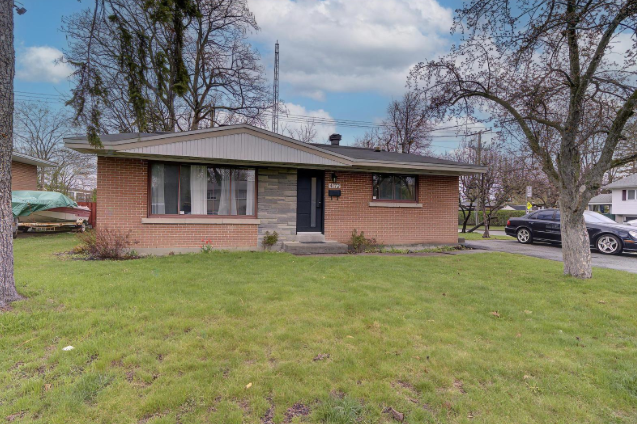
There’s a reason so many first-time buyers are running into the same plumbing surprises right after closing. It isn’t bad luck. It’s aging home plumbing catching up with a housing boom that happened decades ago.
Between 1945 and 1975, the United States built homes at a pace it hasn’t matched since. Millions of those houses are now landing on the market as their original owners downsize or pass them on, and aging home plumbing is often the first thing a new buyer has to deal with.
The Math Behind Aging Home Plumbing Failures
Pipe materials have a shelf life, and that shelf life is finally running out for a huge share of the housing stock. Galvanized steel pipes, common in homes built before the 1960s, typically last around 50 years before internal corrosion starts restricting water flow or causing leaks. Copper pipes hold up longer, often 70 to 80 years, but even those installed during the postwar boom are now approaching the far end of that range.
Aging home plumbing doesn’t always announce itself clearly. Corrosion builds up slowly inside the pipe, which means water pressure drops gradually enough that homeowners adjust without noticing. It’s often a new buyer, used to a different home’s water pressure, who realizes something is off within the first few weeks.
See also: Top Tech Gadgets 2025
Why First-Time Buyers Are Especially Exposed
First-time buyers are disproportionately drawn to starter homes, and starter homes are disproportionately old. That combination means aging home plumbing issues tend to surface right when a buyer has the least financial cushion to deal with them.
A standard home inspection will note visible plumbing materials, but it usually won’t catch internal corrosion or partial blockages that haven’t caused a visible leak yet. That gap is exactly where aging home plumbing problems slip through and show up a few months after move-in instead of before closing.
This isn’t a reason to avoid older homes. It’s a reason to ask more specific questions before signing anything.
What to Ask Before You Buy
Anyone shopping in the starter home market should ask directly about pipe material and approximate installation date. If the seller doesn’t know, a plumber can usually identify pipe material in a few minutes by checking exposed sections in the basement or under sinks.
It’s also worth asking when the water heater was last replaced and whether there’s been any history of slow drains or low pressure complaints. Aging home plumbing issues rarely show up as a single dramatic failure. They show up as a string of small annoyances that eventually add up to a major repair.
Buyers who get a second opinion on a home’s plumbing before closing, rather than relying solely on the standard inspection, tend to avoid the worst surprises. If your home falls into that postwar build window, it’s worth having someone take a closer look before the deal is final. You can click here to schedule that kind of inspection ahead of closing day.
A Practical Way to Plan Ahead
If you’ve already closed on a home built in that era, aging home plumbing doesn’t need to mean an immediate full repipe. Start with the sections that affect daily life most: the main water line, the water heater connection, and any bathroom that’s showing slow drainage.
A plumbing service that’s used to evaluate older homes, such as DrainGuys, can usually map out a phased plan instead of pushing for everything at once. That keeps costs manageable while still addressing the parts of the system most likely to fail first.
Final Thoughts
Aging home plumbing isn’t a flaw specific to any one house. It’s a predictable pattern tied to when a huge share of American homes were actually built. Buyers who understand that pattern can ask better questions, budget more accurately, and avoid the kind of plumbing emergency that turns a starter home into a financial headache in the first year.



 How Gutter Slope Affects Drainage Around Your Home