

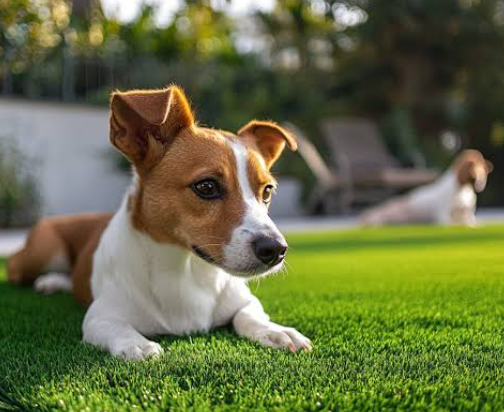
Dogs are hard on lawns. Between the digging, the worn paths along fence lines, and the dead patches left behind by urine, natural grass often loses the battle within a single summer. That reality pushes a lot of pet owners toward artificial turf, and for good reason. But choosing and maintaining synthetic grass when you have dogs is not quite the same as choosing it for a backyard putting green or a commercial landscape. There are specific things worth understanding before you commit.
This article covers how artificial turf holds up to pet use, what product features actually matter for dog owners, how to keep it clean and odor-free, and a few common mistakes people make when they first make the switch. Whether you are still in the research phase or already comparing quotes, the information here should help you make a smarter decision.
Why Natural Grass Struggles in Dog-Heavy Yards
Natural grass is a living system, and it has limits. Dogs compact soil with repeated foot traffic, which starves grass roots of oxygen and moisture. Urine deposits concentrated nitrogen directly onto the surface, burning grass and creating those familiar yellow or brown circles. According to the University of California Cooperative Extension, female dogs tend to cause more visible lawn damage than males simply because of how they urinate, depositing the full stream in one concentrated spot rather than marking multiple locations.
Add in digging behavior, which many breeds engage in instinctively, and seasonal mud tracked indoors, and the maintenance burden on a natural lawn becomes significant. Reseeding, aerating, and treating urine spots can turn yard care into a part-time job. Artificial turf eliminates most of those pressure points entirely, though it introduces its own set of maintenance needs.
Key Features to Look for in Pet-Friendly Artificial Turf
Not all synthetic grass products are created equal, and the gap in quality becomes obvious once pets are involved. When researching the best turf for pets, a few technical characteristics stand out as especially important for households with dogs.
Drainage Rate
This is probably the single most critical factor for pet owners. Urine needs to pass through the turf backing quickly so it does not pool on the surface or soak into the infill. Look for turf with a perforated or fully permeable backing that allows water, and liquids in general, to drain at a rate of at least 30 inches per hour. Some high-quality pet turf products advertise drainage rates well above that threshold. Slow-draining systems hold odor-causing bacteria near the surface, which makes the yard smell unpleasant even with regular rinsing.
Pile Height and Blade Density
Shorter pile heights, generally between 1.25 and 1.75 inches, tend to work better in pet environments. Taller blades can trap debris, dry more slowly after rinsing, and make it harder to clean the surface thoroughly. Density matters too. A denser turf means blades stand upright more reliably, which helps the surface drain properly and resist the matting that comes from a large dog running the same path repeatedly.
Blade Material and Texture
Polyethylene is the most common blade material in residential turf, and it tends to feel softer underfoot than polypropylene. For dogs that spend a lot of time lying on the surface, a softer blade is more comfortable and less likely to cause abrasion on thin-skinned areas like elbows. Some manufacturers also add antimicrobial treatments to the yarn itself, which can help slow bacterial growth between cleanings.
The Infill Question: What Goes Beneath the Blades
Infill is the granular material layered into the base of the turf after installation. It weighs down the backing, supports blade structure, and plays a significant role in how the surface manages heat, odor, and comfort. Choosing the right infill is just as important as choosing the right turf product itself.
| Infill Type | Best For | Pet Considerations |
| Crumb rubber | Sports fields, durability | Absorbs heat significantly; not ideal for dogs in hot climates |
| Silica sand | General residential use | Affordable and stable; minimal odor control on its own |
| Zeolite | Pet-specific installations | Naturally absorbs ammonia; helps reduce urine odor |
| Acrylic-coated sand | Pet and residential use | Offers some antimicrobial properties; better heat resistance than rubber |
| Cork | Eco-conscious installs | Cooler surface temperature; biodegrades over time and may need replacement |
Zeolite is worth calling out specifically. It is a naturally occurring mineral with a porous structure that traps ammonia molecules, which are the primary source of urine odor. Many pet-focused turf installers recommend using zeolite as a partial or complete infill replacement precisely because of how well it manages smell over time. It can be refreshed by rinsing with water and reactivated with sunlight.
Cleaning and Maintenance: What the Routine Actually Looks Like
One of the most common misconceptions about artificial turf is that it is maintenance-free. It is lower-maintenance than natural grass, but it is not zero-maintenance, and this is especially true when dogs are using the space every day.
- Solid waste should be removed promptly, just as it would be from any surface. Use a bag or a plastic scoop, then rinse the area with a garden hose.
- Urine areas benefit from a weekly rinse with water, even if the drainage is excellent. This flushes residue through the backing before it can build up.
- A diluted enzyme cleaner applied monthly breaks down organic material that plain water cannot dissolve. Enzyme-based products are safe for most turf backing materials.
- Light brushing with a stiff-bristled broom every few weeks keeps blades upright and prevents compaction in high-traffic areas.
- Inspect the perimeter and seams a couple of times per year to make sure the turf has not shifted or lifted. Dogs can sometimes dig at edges, particularly where turf meets a fence or hardscape.
Heat is worth mentioning separately. Artificial turf does get hot in direct summer sun, sometimes significantly hotter than natural grass. On a 90-degree day, turf surface temperatures can reach well above 120 degrees Fahrenheit, according to research published in HortScience. Dogs are susceptible to burned paw pads, and they cannot regulate temperature as efficiently as humans. Providing shade over the turf, using a heat-reducing infill, or rinsing the surface with water before letting dogs out during peak afternoon hours are all practical ways to manage this.
Common Mistakes Dog Owners Make When Installing Turf
Most installation regrets come down to a handful of decisions that seem small at the time but create ongoing problems.
- Skipping a proper sub-base. Compacted decomposed granite or crushed aggregate beneath the turf helps with drainage and stability. Laying turf directly over native soil often leads to drainage issues and uneven settling.
- Choosing the cheapest product available without checking drainage specs. Budget turf products frequently have inadequate backing permeability, which causes odor issues that are difficult and expensive to correct after installation.
- Not accounting for the size and energy level of the dog. A large, high-energy breed needs a more durable product than a small or low-activity dog. Some pet owners underestimate how much wear a single active dog generates.
- Ignoring the importance of antimicrobial infill. A standard silica sand infill installed in a yard with multiple dogs may start developing noticeable odor within the first year without additional odor-management materials.
- Forgetting to plan for shade. Designing a full-sun turf area without any shade element is something many pet owners wish they had thought through more carefully once the first hot summer arrives.
See also: How Do Commercial Solar Panel Companies Help Businesses Cut Energy Costs?
How Long Does Pet Turf Actually Last
Artificial turf marketed for residential use typically carries warranties ranging from 8 to 15 years, depending on the manufacturer and product tier. In practice, longevity depends heavily on how much traffic the surface receives, how consistently it is maintained, and whether the installation was done correctly in the first place. Pet-heavy yards with multiple large dogs may see more blade wear and infill displacement than a yard with a single small dog, and it is reasonable to plan for a shorter useful life in those scenarios.
The backing is often what fails first. UV exposure breaks down certain backing materials over years of direct sunlight. Choosing a product with a UV-stabilized backing adds cost upfront but extends the lifespan meaningfully. Some installers also offer backing warranties separately from the surface warranty, so it is worth asking about both when comparing products.
Wrapping Up
Artificial turf can work extremely well for dogs when the right product is chosen, properly installed, and maintained consistently. The key is going in with realistic expectations and understanding that the details, drainage rate, infill type, pile height, sub-base preparation, all add up to either a surface that performs well for years or one that causes frustration within months. Taking the time to research before installation is always a better use of effort than trying to fix problems after the fact.


 Why You Feel Exhausted All the Time: 7 Hidden Causes