

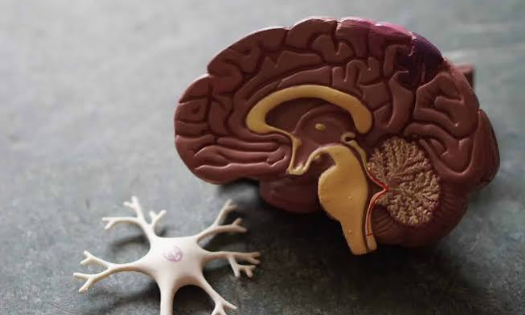
Most people understand, at least in a general way, that stimulant drugs are bad for you. What fewer people understand is exactly why, and how profoundly these substances can reshape the brain and body over time. The science here is genuinely fascinating, even when the story it tells is a troubling one. Whether you are curious about pharmacology, supporting someone who uses stimulants, or simply trying to make sense of what you have read or heard, knowing the underlying mechanisms makes a real difference.
This article walks through how stimulants work at the neurological level, what they do to the cardiovascular and nervous systems, how dependency develops, and why some forms of the same drug can carry very different risk profiles. The goal is straightforward: clear, accurate information without oversimplification.
What Stimulants Actually Do to the Brain
The brain communicates through neurotransmitters, chemical messengers that cross the gaps between neurons. Stimulant drugs hijack this system, primarily by flooding the brain with dopamine, norepinephrine, and sometimes serotonin. Dopamine, in particular, is the neurotransmitter most associated with pleasure, motivation, and reward. Under normal circumstances, the brain releases dopamine in modest amounts in response to food, social connection, or accomplishment. Stimulants can trigger dopamine releases many times larger than anything a natural reward produces.
Cocaine, for example, blocks the reuptake transporters that would normally clear dopamine from the synapse. The result is an accumulation of dopamine that produces an intense but short-lived sense of euphoria. Amphetamines work somewhat differently; they force neurons to release dopamine stores directly while also blocking reuptake. The outcome is similar, though the timeline and intensity vary. Either way, the brain is receiving a signal far stronger than it was designed to process through natural means.
Over time, the brain adapts. It reduces its own dopamine production and downregulates the number of dopamine receptors available. This adaptation is sometimes called neuroadaptation or tolerance. The person now needs the drug just to feel baseline normal, because the brain’s natural reward circuitry has been recalibrated around the artificial input. This is one reason why stimulant withdrawal often involves profound depression and anhedonia, the inability to feel pleasure, rather than the dramatic physical symptoms associated with opioid or alcohol withdrawal.
Physical Effects Across the Body
Stimulants do not confine their effects to the brain. The cardiovascular system takes significant strain. Norepinephrine, which stimulants also elevate, acts directly on the heart and blood vessels. Heart rate increases. Blood pressure rises. The vessels constrict. In the short term, a healthy young person may tolerate this reasonably well, but repeated exposure adds up. Chronic stimulant use is associated with an elevated risk of heart attack, stroke, and arrhythmia, even in people who have no prior cardiovascular issues.
According to the National Institute on Drug Abuse, cocaine use is involved in approximately one in five drug-related overdose deaths in the United States. Many of those deaths are cardiac in nature. The drug can trigger sudden coronary artery spasm or dramatically accelerate atherosclerosis, the buildup of plaque in arterial walls. These risks are not limited to long-term heavy users; cardiac events have been documented after a first or second use.
Beyond the heart, stimulants suppress appetite and interfere with sleep architecture. Chronic users often become malnourished and sleep-deprived, which compounds the neurological damage. The immune system weakens. Skin and tissue can deteriorate. In some cases, particularly with methamphetamine, the physical aging effect is visually striking and well-documented in clinical photography.
Route of Administration and Why It Changes the Risk Profile
One aspect of stimulant pharmacology that often surprises people is how significantly the method of ingestion alters both the drug experience and the health consequences. The route of administration determines how quickly the drug reaches the brain and how concentrated that delivery is. Speed of onset is closely linked to addiction potential; a faster, more intense rush tends to create stronger reinforcement of the behavior.
This is one reason why exploring the differences between forms of the same substance matters so much. When people look into the topic of cocaine vs crack, they often find that while both are derived from the same plant alkaloid and produce similar effects, the smoked form reaches peak brain concentration in seconds rather than minutes, creating a more intense but shorter-lasting high that tends to drive compulsive redosing more aggressively.
Intravenous injection carries its own separate set of risks, including infection, vascular damage, and disease transmission. Intranasal use causes progressive damage to the nasal mucosa, cartilage, and sinuses. Smoked forms irritate lung tissue and can cause a range of respiratory complications. No route of administration is safe, but they are not identical in their risk profiles, and understanding those differences has practical relevance for harm assessment and treatment planning.
| Route of Administration | Time to Peak Effect | Duration of High | Key Physical Risks |
| Intranasal (snorted) | 3 to 5 minutes | 15 to 30 minutes | Nasal septum damage, sinus erosion |
| Smoked (freebase/crack) | 8 to 10 seconds | 5 to 10 minutes | Lung damage, respiratory distress |
| Intravenous (injected) | 15 to 30 seconds | 20 to 30 minutes | Infection, vascular injury, disease transmission |
| Oral ingestion | 30 to 60 minutes | 60 to 90 minutes | GI irritation, delayed overdose recognition |
How Stimulant Dependence Develops
Dependence is not a character flaw or a failure of willpower. It is a predictable neurological outcome that emerges from repeated drug exposure, particularly when exposure is frequent and the drug’s reinforcing effects are strong. The brain learns, in a very literal sense. The same neural circuits responsible for habit formation and goal-directed behavior get recruited and, over time, the pursuit of the drug becomes deeply ingrained behavior.
Stimulant use disorder is specifically characterized by a pattern of cravings, loss of control over use, continued use despite clear negative consequences, and difficulty stopping even when the person genuinely wants to. The Diagnostic and Statistical Manual of Mental Disorders uses a spectrum model, with mild, moderate, and severe designations based on the number of criteria met. Many people in the early stages of a stimulant problem do not recognize it as such because they are still functioning in other areas of life.
Psychological dependence tends to dominate the stimulant withdrawal picture. While opioid and alcohol withdrawal can produce dangerous physical symptoms, stimulant withdrawal typically presents as extreme fatigue, depression, increased sleep, irritability, and powerful cravings. These symptoms can persist for weeks and are a significant driver of relapse. The anhedonia in particular, the flat, colorless feeling that follows cessation, can be one of the hardest parts for people to tolerate.
Mental Health Consequences of Long-Term Use
Stimulant-induced psychosis is more common than many people realize. High doses or chronic use can produce paranoia, auditory and visual hallucinations, and disorganized thinking that closely mimic the symptoms of primary psychotic disorders. In most cases, these symptoms resolve once the drug is cleared from the system, but in some individuals, particularly those with a genetic vulnerability to psychosis, stimulant use may trigger a condition that persists.
Anxiety disorders are also highly prevalent among people who use stimulants regularly. The same norepinephrine surge that produces alertness and energy can, at elevated doses or with chronic use, produce persistent anxiety, panic attacks, and hypervigilance. Over time, the baseline anxiety level can remain elevated even during periods of abstinence as the nervous system readjusts.
Research published in journals such as Neuropsychopharmacology and Addiction Biology has consistently shown structural and functional brain changes in long-term stimulant users, particularly in the prefrontal cortex, the region most involved in judgment, impulse control, and decision-making. These changes help explain why someone deep in stimulant addiction may make choices that appear irrational or self-destructive to outside observers. The biological machinery for evaluating consequences has been compromised.
Key Factors That Increase Stimulant Risk
Not everyone who uses a stimulant once becomes dependent, and not everyone who becomes dependent does so at the same pace. Several factors interact to shape individual risk.
- Genetics: Family history of addiction meaningfully increases vulnerability, with heritability estimates for stimulant use disorder ranging from 40 to 70 percent according to twin studies.
- Age of first use: Earlier initiation is consistently associated with higher rates of dependence, partly because the adolescent brain is still developing the prefrontal structures that regulate impulsive behavior.
- Mental health history: Pre-existing depression, anxiety, trauma, or ADHD all increase the likelihood of problematic stimulant use.
- Frequency and dose: Occasional low-dose use carries far less risk than frequent high-dose use, though no threshold is entirely without risk.
- Poly-substance use: Combining stimulants with alcohol, opioids, or benzodiazepines significantly complicates both the pharmacology and the safety profile.
- Social and environmental factors: Availability, peer use, stress, and lack of structured support all contribute to risk independent of biological factors.
See also: Residential Mental Health Treatment: What to Expect
What Recovery Looks Like for Stimulant Use Disorder
There are currently no FDA-approved medications specifically for stimulant use disorder, which distinguishes it from opioid use disorder, where effective pharmacological treatments exist. Research is active and ongoing. Some medications are being studied for their potential to reduce cravings or ease withdrawal symptoms, including bupropion and naltrexone in certain contexts, but none have yet achieved broad clinical adoption for this indication.
Behavioral therapies, however, have a strong evidence base. Cognitive behavioral therapy helps people identify triggers, develop coping strategies, and restructure the thought patterns that drive use. Contingency management, a system that provides tangible rewards for verified abstinence, has shown particularly strong results in clinical trials for stimulant use disorder. Motivational interviewing is often used to help people move through ambivalence about change.
Recovery is not a single event. It is a process that unfolds over months and years, with the brain gradually regaining more typical function as abstinence continues. The first few months tend to be the most challenging. With time, sleep normalizes, mood stabilizes, and the ability to experience natural pleasure begins to return. For many people, the trajectory is not linear, and setbacks are common. Understanding that relapse is part of the clinical picture for many people, rather than evidence of failure, is important for both individuals and their support systems.
Stimulant use disorders are treatable. The brain retains a significant capacity for recovery, and people do rebuild meaningful, stable lives after serious stimulant dependence. The path is rarely simple, but it is real, and the science behind it gives genuine grounds for a measured kind of optimism.



 Personality Disorders: Cluster A Types Explained